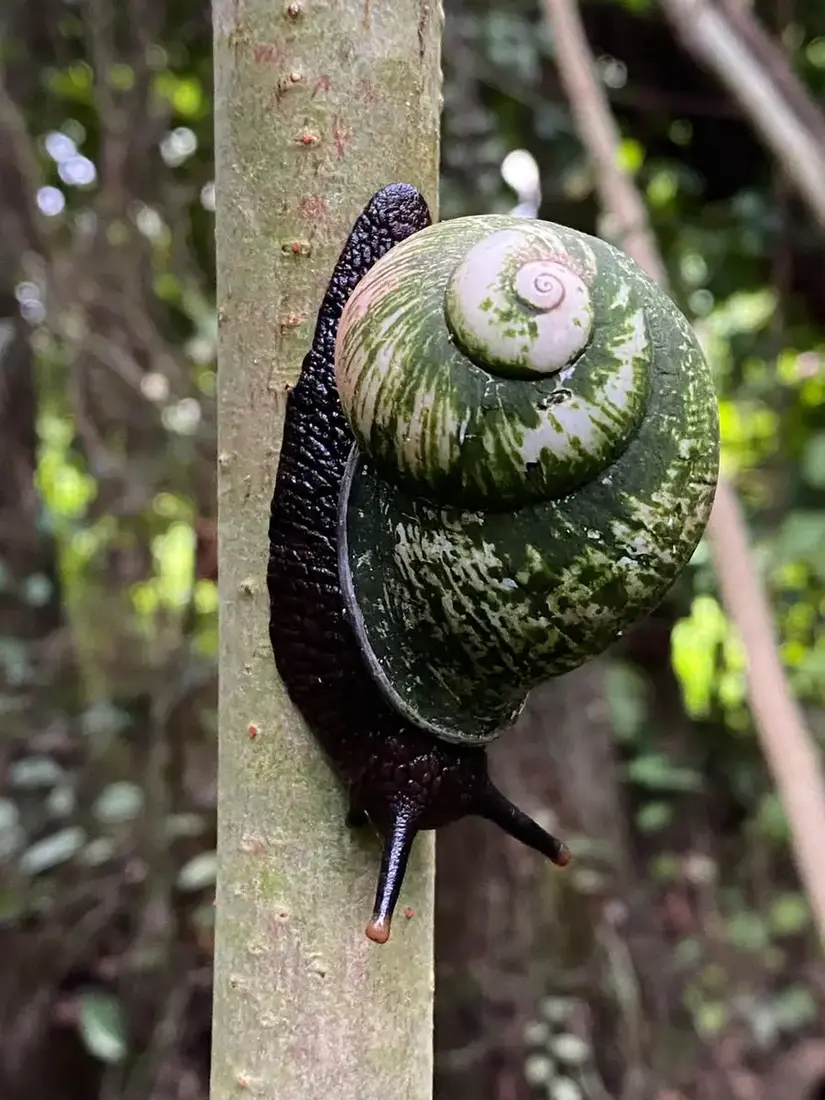
Photograph: Arran Sivarajah
09°N
08°N
07°N
06°N

Wildlife Expeditions · Sri Lanka

Every journey has its coordinates.

Private wildlife experiences led by naturalists, across Sri Lanka between the 5th and 10th northern parallels.

Latitude 5°N — 10°N
Terrain Island of Sri Lanka

Naturalists first.
Guides by calling.

We design private wildlife experiences across Sri Lanka, guided by experienced naturalists and trained wildlife professionals.

Our approach pairs field knowledge with thoughtful guiding, giving guests time to understand the landscape as well as the wildlife within it.

5°—10°
Northern
Parallels
100%
Naturalist
Led
5
Distinct
Landscapes

A name drawn from the map itself.

WPT

Waypoint

In navigation, mapping and field research, a waypoint marks a precise position along a route. For us, it represents the point where careful observation guides the journey.

5•10

Five to Ten North

Sri Lanka lies roughly between the 5th and 10th northern parallels. Those coordinates define the island we explore and give Waypoint 5•10 its name.

Between the parallels, the landscape changes— and wildlife moves with it.

These are the landscapes we cover, from dry-zone forests and mist-covered highlands to wetlands, lagoons and deep ocean waters. Choose a habitat or place to explore it.

5°N — 10°N Selected: Horton Plains
01 Wilpattu 02 Wasgamuwa 03 Minneriya · Kaudulla · Hurulu 04 Bundala 05 Yala 06 Udawalawe 07 Kumana 08 Horton Plains 09 Mirissa Shelf 10 Pasikuda 11 Sinharaja 12 Colombo Wetlands
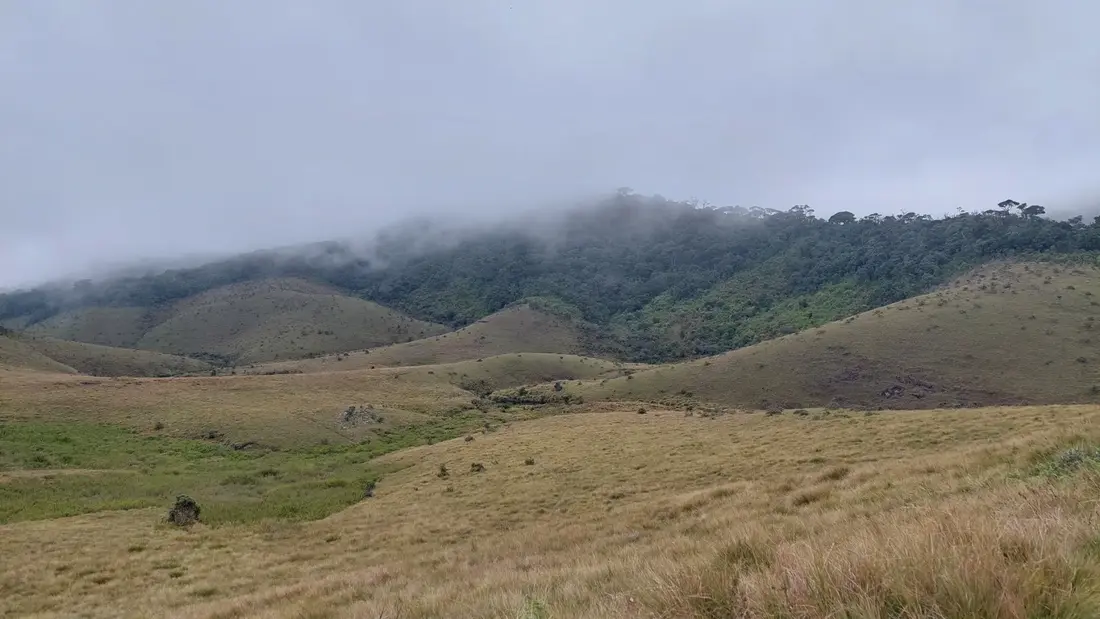
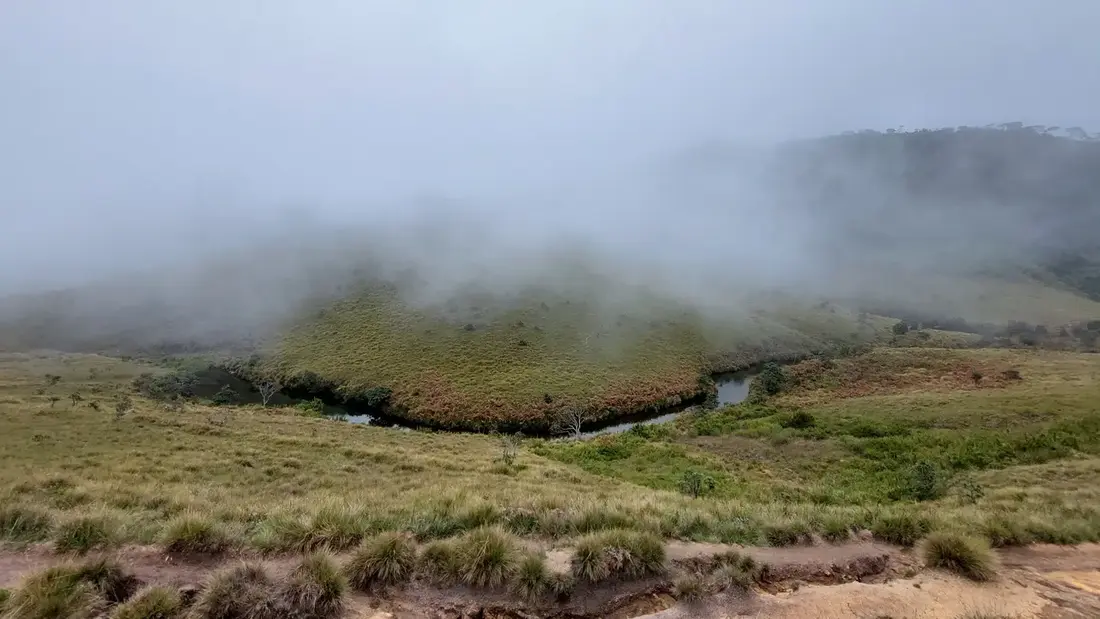
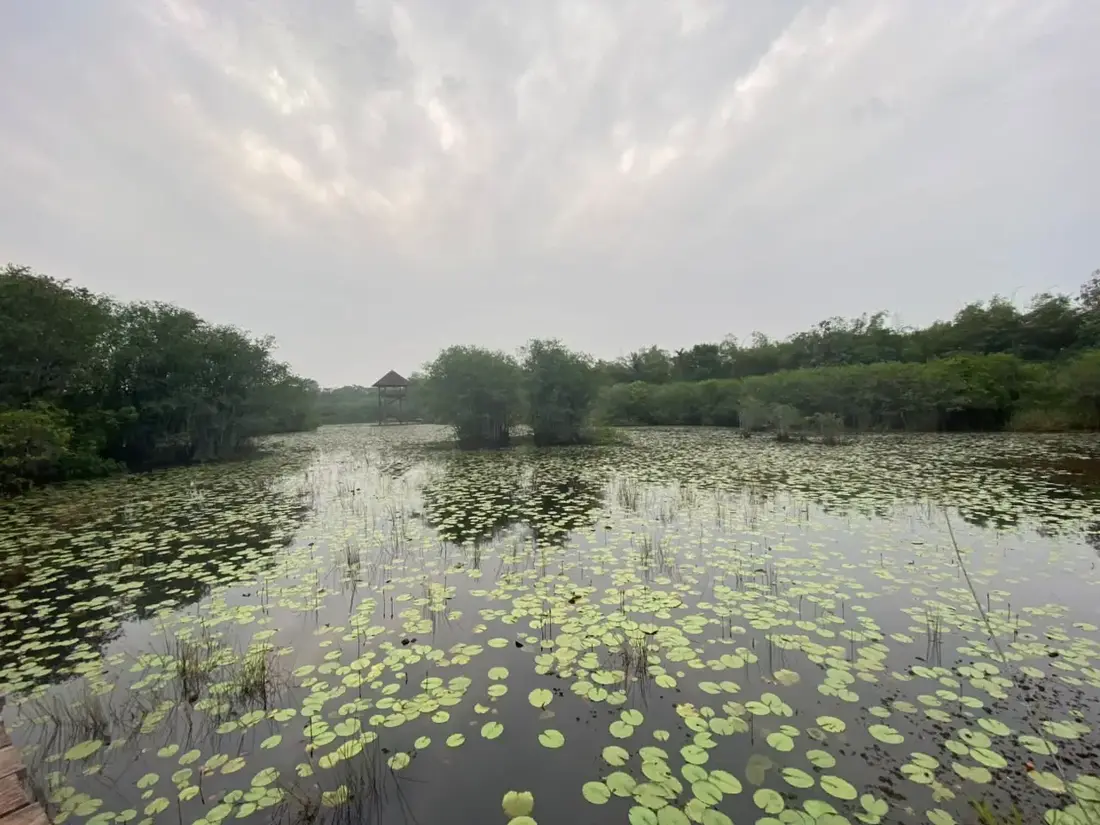
Mist across the grasslands and montane forest of Horton Plains Photograph: Arran Sivarajah
Montane Highlands

Horton Plains National Park

Established as a national park in 1988, Sri Lanka's highest national park combines cool montane forest with open grasslands, providing habitat for sambar deer, the highland leopard and many endemic species. At World's End, the escarpment plunges nearly 900 metres to the plains below.

Map geometry: SimpleMaps. Mercator projection.

Monsoons, Migrations & Marine Giants

Three natural cycles shape wildlife across Sri Lanka: the southwest and northeast monsoons, the annual arrival of birds along the Central Asian Flyway, and the seasonal movement of whales through the Indian Ocean.

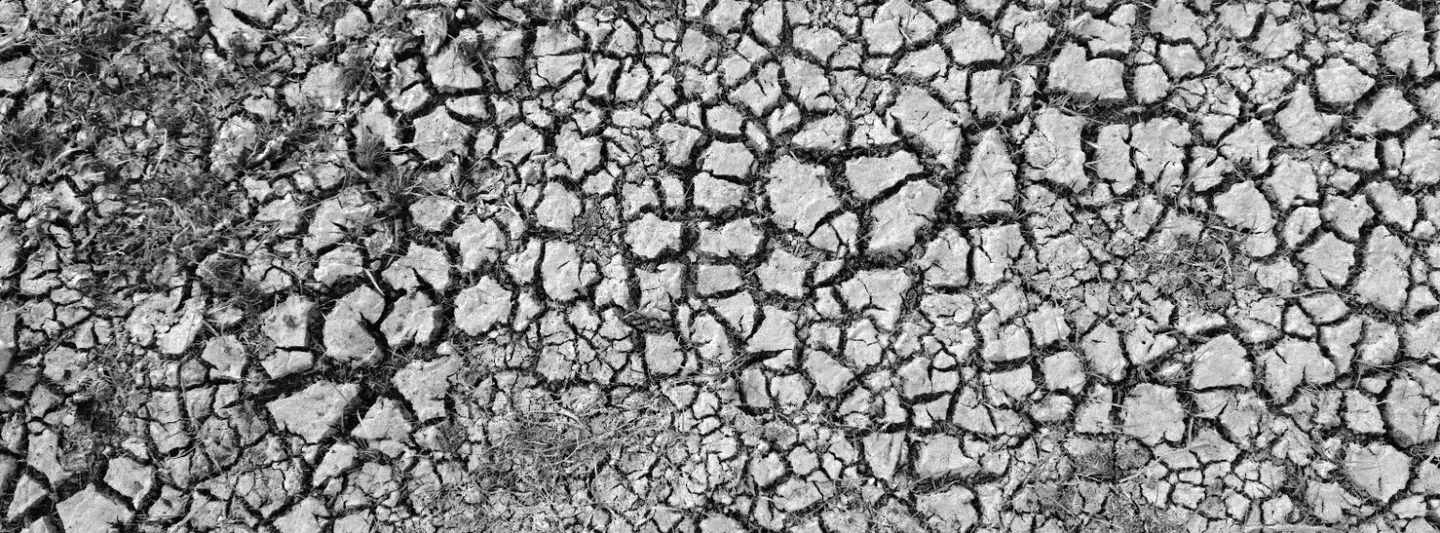
Cracked earth during Sri Lanka's dry season
Natural Rhythm 01

The Island in Season

Sri Lanka's central highlands divide the island into contrasting climatic zones. The traditional agricultural calendar recognises two cultivation seasons: Yala, the shorter season, and Maha, the main season. Each follows a different monsoon. When rain reaches one side of the island, parts of the other enter a dry phase, drawing wildlife towards rivers, reservoirs and the water that remains.

Yala, the shorter season (May – September)
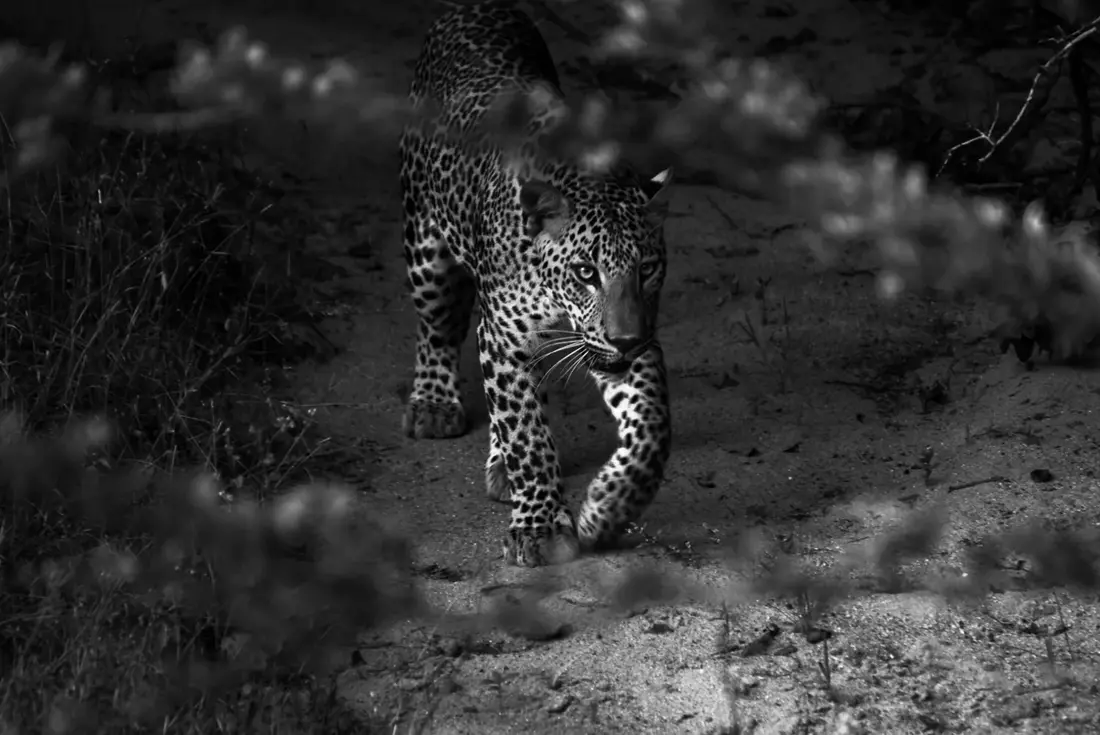
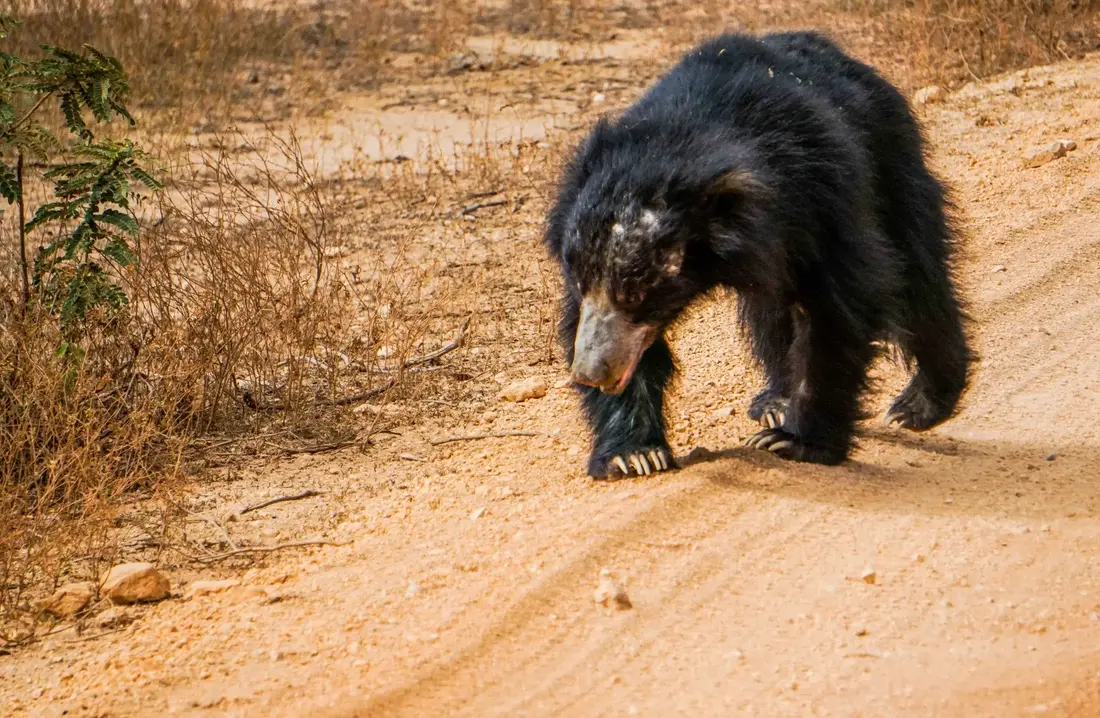
The southwest monsoon replenishes Sinharaja and the western slopes of the central highlands while the northern and southeastern dry zones lose water. Elephants, leopards, sloth bears and other wildlife gather more often around waterholes. Between July and October, hundreds of elephants congregate along the receding shores of Minneriya and neighbouring reservoirs during the Elephant Gathering.

Maha, the main season (December – February)
Rain-bearing winds from the Bay of Bengal return water to the dry-zone parks. Rivers flow, seasonal wetlands refill and fresh vegetation supports breeding mammals, reptiles and birds. The same landscapes become greener, wetter and markedly different to explore.

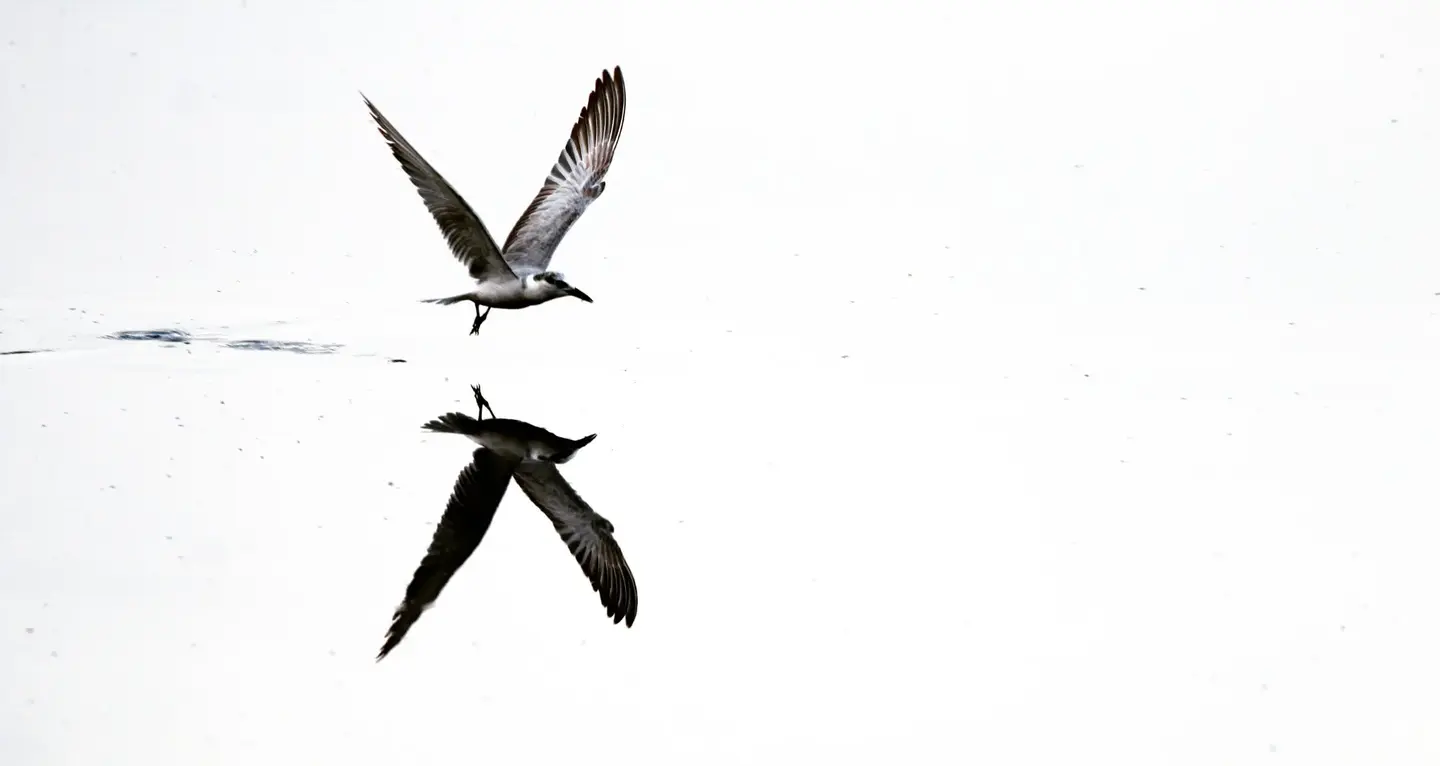
A migratory bird taking flight above its reflection Photograph: Arran Sivarajah
Natural Rhythm 02

The Central Asian Flyway

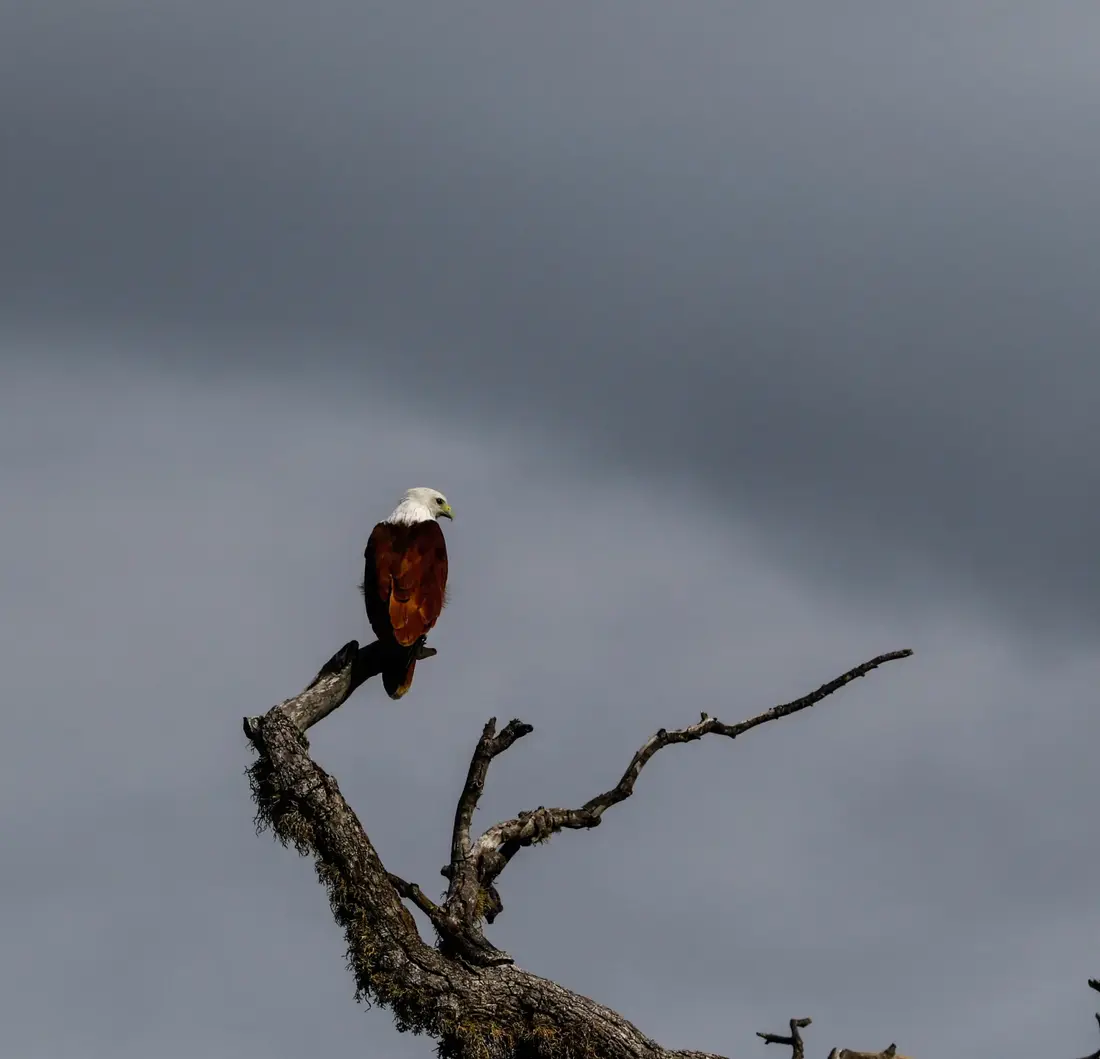
At the southern end of the Central Asian Flyway, Sri Lanka provides a winter refuge for birds travelling from the Russian Arctic, Siberia, Central Asia, northern Europe and the Himalayas.

Arrival (October – November)
The first migrants arrive as temperatures fall across the northern hemisphere. Shorebirds, waders, ducks, raptors and woodland species spread through the island's wetlands, lagoons, forests and coastal mudflats.

Winter residence (December – March)
Bundala, Mannar and Jaffna become busy feeding grounds where migratory birds live alongside Sri Lanka's resident and endemic species. These months offer some of the year's best birdwatching, often with large numbers of both migrants and residents present.

Departure (April)
As spring returns to the northern hemisphere, the migrants begin their journey north. Many adults take on breeding plumage before they leave, after which resident and endemic birds again become the focus of the island's forests and wetlands.

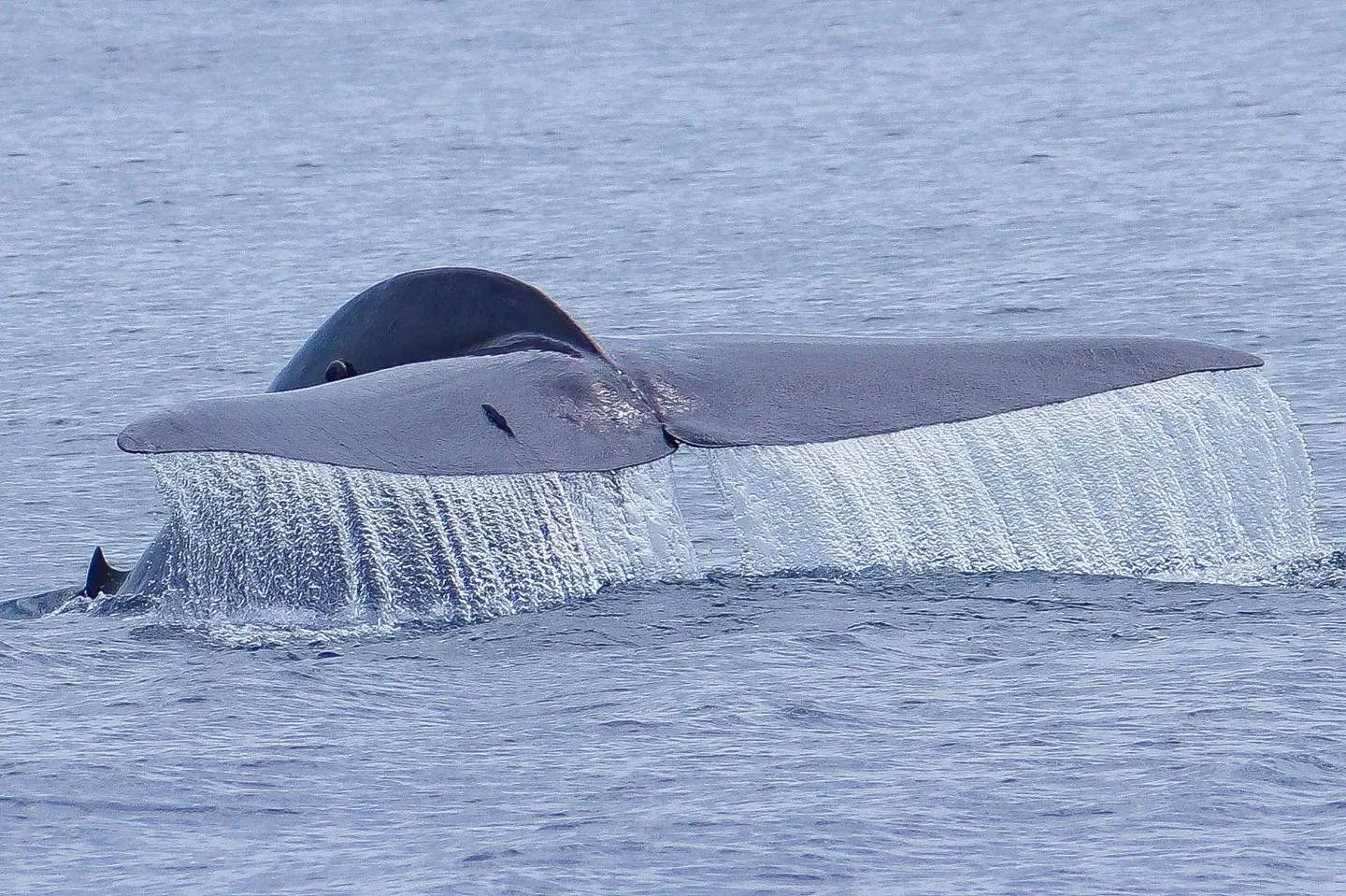
The tail flukes of a blue whale rising above the Indian Ocean Photograph: rhythmicdisapora
Natural Rhythm 03

The Indian Ocean Whale Migration

Deep water lies close to much of Sri Lanka's coastline, bringing whales within sight of shore. Seasonal changes in wind and sea conditions influence where whales and dolphins are encountered around the island.

South coast (December – April)
The calmer waters off Mirissa offer opportunities to observe blue whales from the southern coast. Sperm whales, Bryde's whales, spinner dolphins, bottlenose dolphins and occasional orcas may also be encountered.

Eastern waters (May – September)
When the southwest monsoon changes conditions along the south coast, whales move through eastern waters, including the deep offshore canyons near Trincomalee. Blue whales and sperm whales occur seasonally in this region, along with large pods of spinner dolphins and other marine life.

Planning Around Nature

We plan around conditions, not fixed promises. Monsoons, migration cycles and marine movements guide where and when we travel, whether the focus is elephants at the Gathering, leopards in the dry zone, migrant birds along the coast or blue whales offshore. We also create specialist birdwatching, wildlife photography and marine itineraries led by experienced field naturalists.

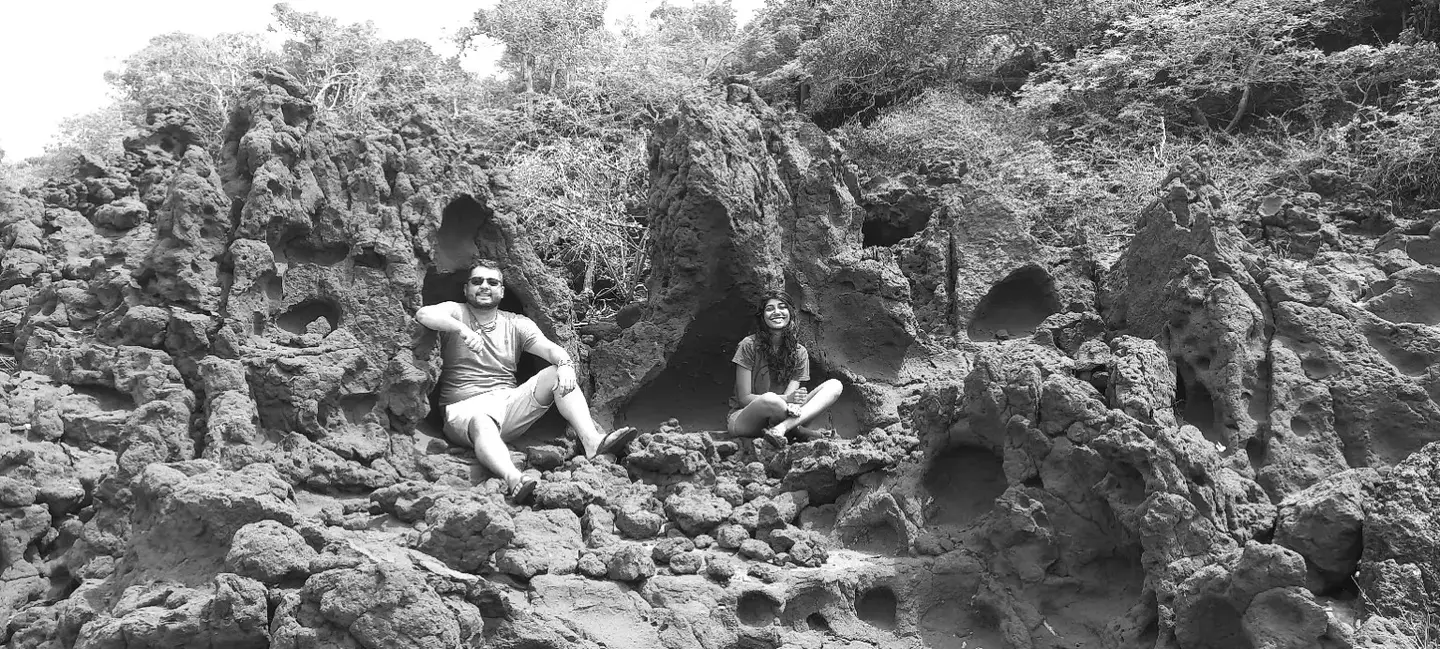
Anjallee and Arran Sivarajah seated among weathered rock formations in Sri Lanka
Anjallee & Arran Sivarajah

Two people,
one path.

Waypoint 5•10 grew from our shared passion for Sri Lanka's wildlife and wild places, and our belief that good nature experiences depend on knowledge, thoughtful guiding and respect for the places we explore.

We came to nature tourism by different routes. Anjallee studied Wildlife Conservation Biology at Deakin University in Australia before returning home to pursue her own wildlife research and conservation work. She also drew on her experience in guiding and education to help others understand Sri Lanka's wildlife and the environments it depends on. Arran trained as a professional field guide in Southern Africa before bringing that field experience back to Sri Lanka, where he has worked to improve the standard of nature guiding and support conservation through education.

Together, these complementary backgrounds shape the way we guide: informed, personal and relaxed.

Through Waypoint 5•10, we share Sri Lanka's biodiversity in a way that encourages curiosity, understanding and a lasting respect for the natural world.

Oriented by nature.
Defined by the wild.

Every experience is shaped by patience, humility and the understanding that the wild sets the terms. Our job is to read them well.

What to expect in the field.

01

Pre-Experience Briefing

Before setting out, we discuss the terrain, the species we may encounter and how to move through the landscape with minimal disturbance. Each briefing reflects the place, season and interests of the group.

02

Small Groups, Private Encounters

We limit each group to six guests per guide. Small groups leave room for questions, give everyone a clear view and help us keep our presence low-impact.

03

Field Knowledge, Not Performance

Our guides are professional naturalists with extensive field experience. They read the landscape, interpret behaviour and explain what they see without theatrics or exaggeration.

04

Flexible Itineraries

Wildlife does not follow a schedule. We adjust routes and timing according to conditions, recent sightings and what the landscape is telling us. The best moments are often unplanned.

Voices from the field.

Reflections from guests who have explored Sri Lanka's wild places with us.

Begin your journey.

Tell us what draws you to Sri Lanka's wild places, and we will shape the experience around your interests.